
-
中国福建省アモイ市海滄区興港一路322号2103室


Understanding How Solar Power Works: A Beginner-Friendly Guide
As interest in sustainable living and reducing utility costs grows, more households and businesses worldwide—especially in countries like Japan—are installing solar photovoltaic (PV) systems. But how exactly does solar power work? This guide will explain the basics of solar energy, how PV systems function, their pros and cons, and examples of real installations.
Table of Contents
🌞 What You Need to Know About Solar Energy
What Is Energy?
Energy refers to the capacity to do work—electricity being one of its many forms. In solar power systems, light energy from the sun is transformed into electrical energy via solar panels.
The Role of Sunlight
Sunlight is essential for solar generation. Each second, about 42 trillion kilocalories of solar energy reach Earth. Harnessing just 0.4% of this energy could cover Japan’s total energy needs, according to Japan’s Ministry of the Environment.
Power vs. Energy
- Power (W): How fast energy is used or generated.
- Energy (Wh or kWh): Total amount of power used over time.
Think of power as the flow of electricity and energy as the amount that flows over a period—just like water turning a turbine.
🔋 How Solar Panels Work
What Is a Solar Panel?
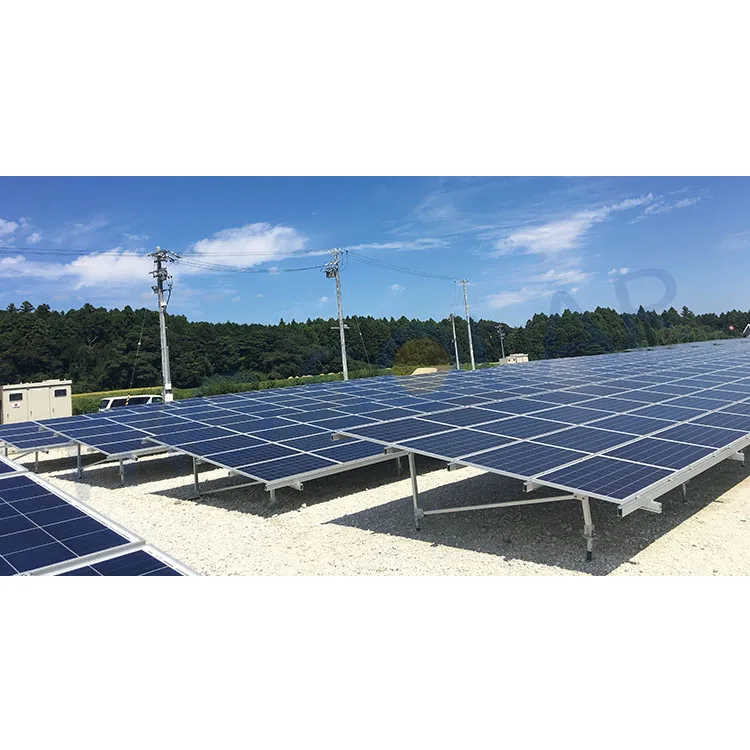
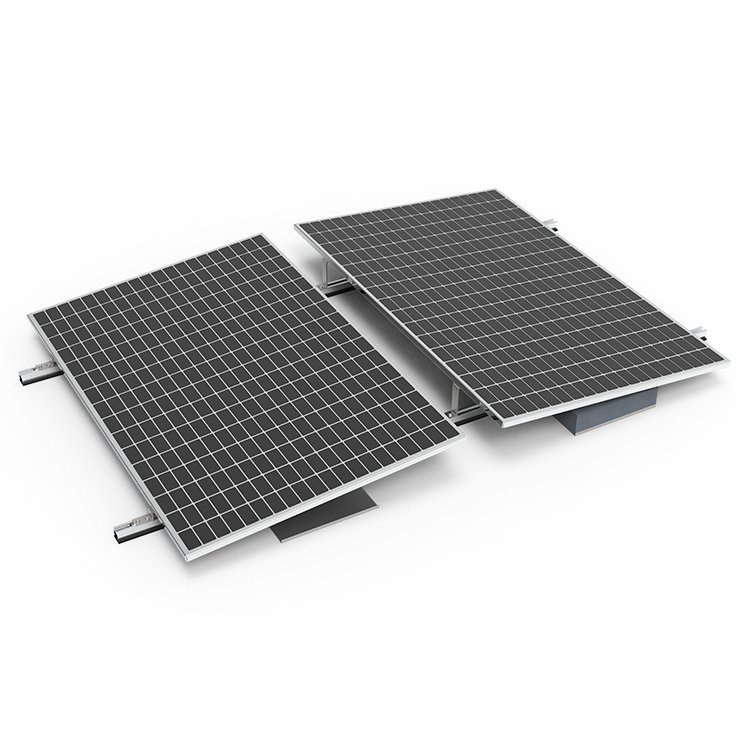
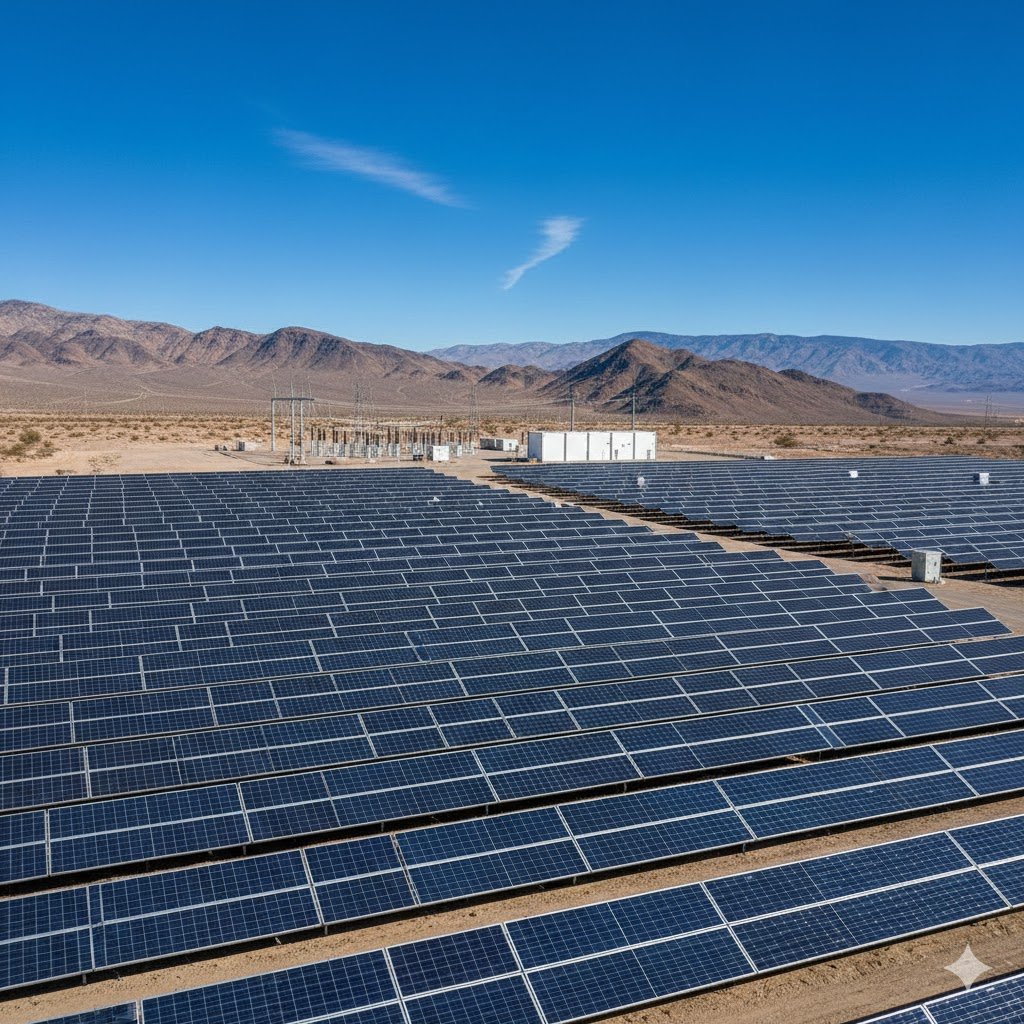
Solar panels consist of multiple solar cells—typically made from monocrystalline or polycrystalline silicon—that convert sunlight into electricity. These are mounted on solar racking systems that hold them in place.
Step-by-Step: How Electricity Is Made
- Sunlight hits the solar panel.
- Light energy excites electrons in the solar cell.
- Electrons flow through a circuit, generating direct current (DC) electricity.
- A power inverter converts this into alternating current (AC) for household use.

⚙️ From Panels to Power: Solar System Components
A residential solar system typically includes:
- Solar panels
- Power inverter
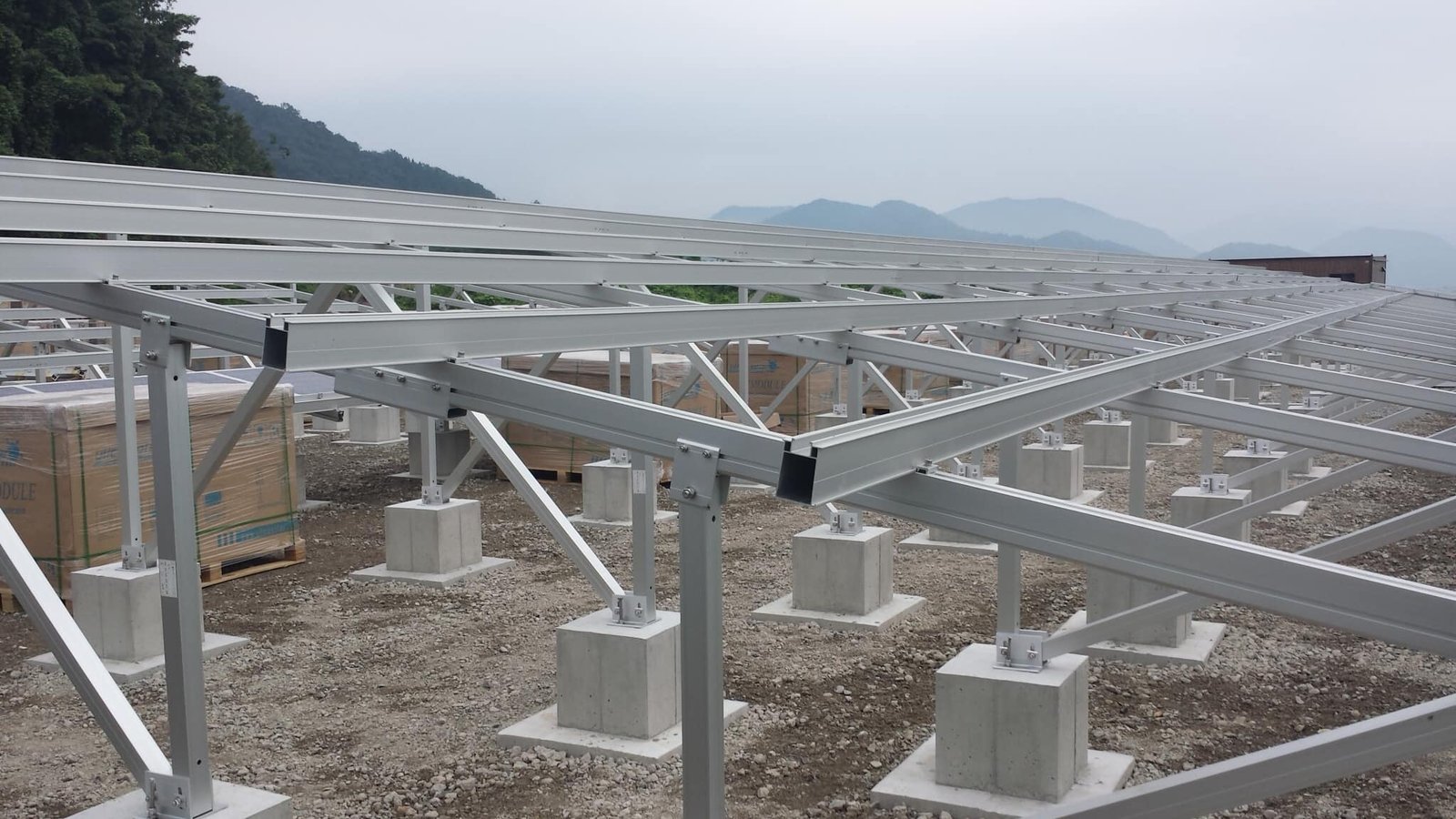
- Racking system (e.g., 瓦屋根取り付けシステム)
- Cabling and electrical accessories
- Monitoring device
- Optional battery storage (e.g., HUAWEI LUNA2000)
Learn more about suitable systems like the 屋根設置型ソーラーシステム.
📈 How Much Power Can Solar Generate?
For every 1 kW of installed capacity, Japan’s JPEA estimates 1,000 kWh/year of electricity generation. That’s about 5,000 kWh annually for a standard 5kW residential system.
Influencing Factors
- Sunlight exposure
- Panel tilt and orientation
- Temperature
- Panel cleanliness
🔄 Key Concepts: Self-Consumption, Feed-in Tariff (FiT), and Grid Purchase
- Self-consumption: Using your own generated electricity
- Feed-in Tariff (FiT): Selling excess energy to the grid
- Grid Purchase: Buying electricity from a utility company
Japan’s FIT model initially guaranteed fixed rates for surplus solar power but is gradually shifting focus to self-consumption そして battery use.
⚡ Battery Storage: Worth the Investment?
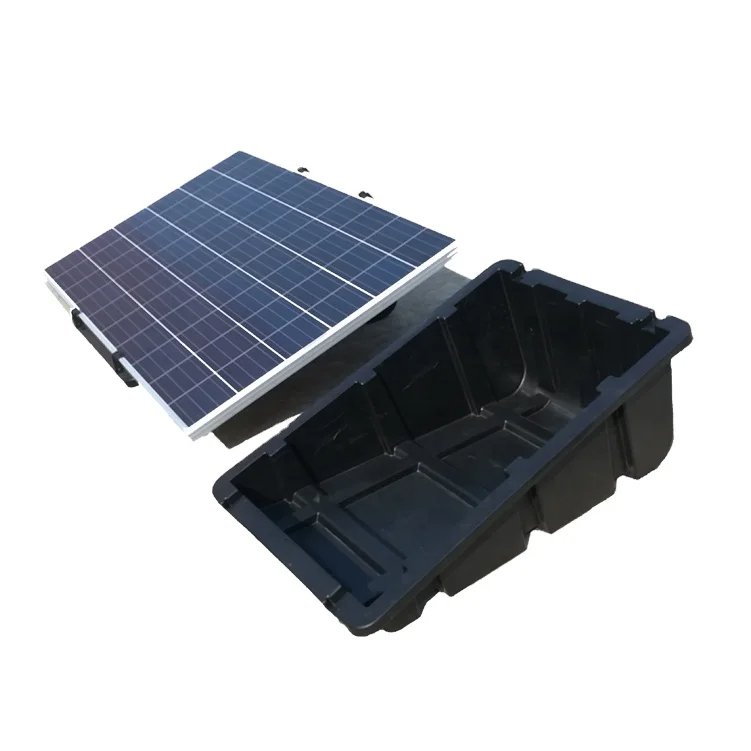
Battery systems like HDPE Plastic Ballast Mounts help store extra energy for nighttime use or power outages. They enhance cost savings and energy independence.
✅ Pros and Cons of Solar Power
メリット
- Save on electricity bills
- Earn from selling excess energy
- Eco-friendly—no CO₂ emissions
- Operate during outages with battery backup
Challenges
- High upfront cost (about ¥1.42 million for 5kW in Japan)
- Weather-dependent performance
- Declining FIT rates
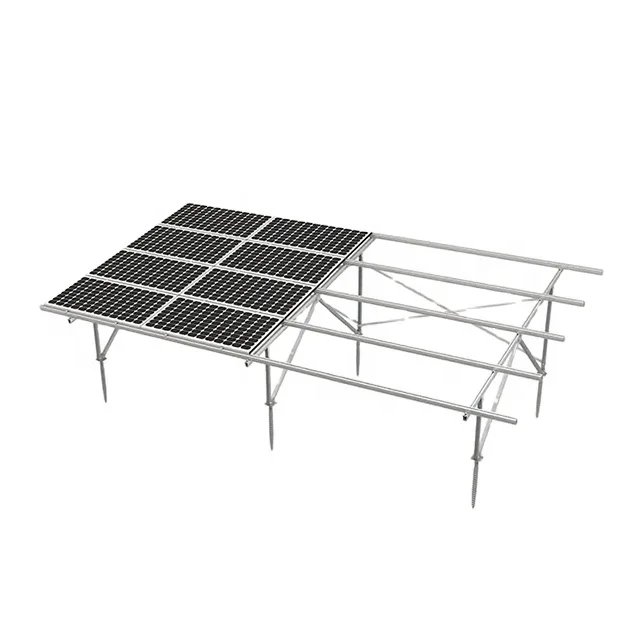
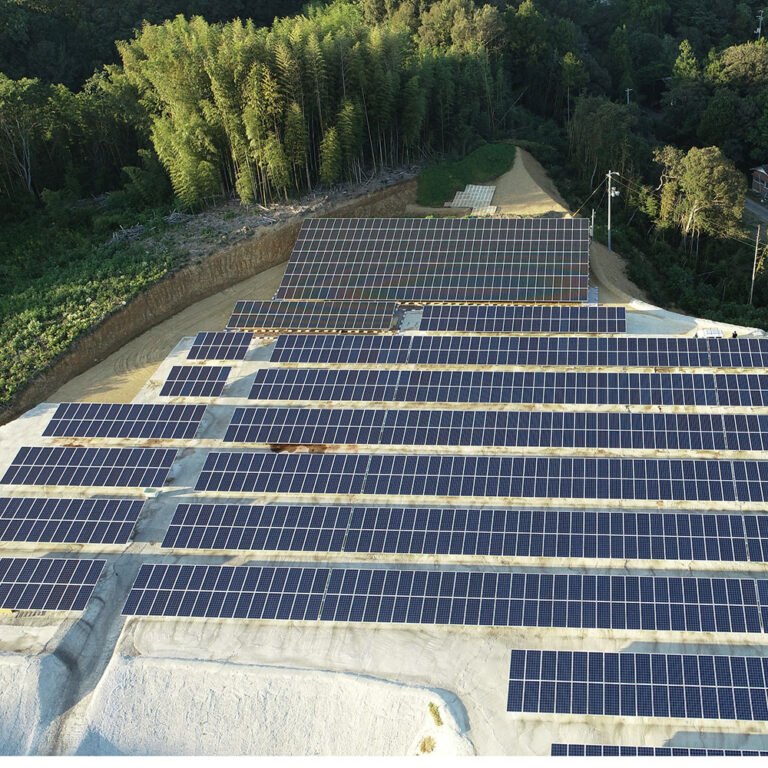
Explore durable and cost-efficient options like the Ground Mount System for long-term ROI.
🌍 Japan’s Solar Progress and Global Outlook
Japan ranks among the world’s top countries for solar adoption, with 8.3% of its electricity generated from PV, outperforming the U.S. and China in share. As nations pursue carbon neutrality, solar power is positioned as a core pillar in global energy strategy.
🧠 Summary: Embrace Solar and Save
Solar energy harnesses free, renewable sunlight to generate electricity without emissions. It’s not only a solution for eco-conscious individuals but also a smart investment—especially with evolving technologies and government support.
If you’re considering solar installation, make sure to choose a reliable mounting system supplier like FirstSolar to ensure long-term performance.
Related Links:


 English
 Korean
 Japanese
 German
 French
 Greek
Greek Arabic
 Russian
 Thai
Thai Vietnamese
 Italian
 Spanish
 Portuguese
 Dutch
Dutch Bengali
 Croatian
 Czech
Czech Danish
 Hungarian
 Malay
Malay Persian
 Polish
 Romanian
 Serbian
 Swedish
 Afrikaans
 Kazakh
 Uzbek
Uzbek