
-
中国福建省アモイ市海滄区興港一路322号2103室


What Kind of Work Is Done When Installing a Solar Power System?
When installing a solar power system, construction work is essential. However, many people rarely get to see what actually happens during installation. This article explores the types of work involved, the key components installed, and the differences between industrial and residential systems.
Table of Contents
Two Main Types of Work in Solar Installation
Installation Work vs. Electrical Work
Solar installation involves two main tasks:
- Mounting and physical installation
- Electrical integration
While some believe that just mounting the panels is enough, electricity cannot be stored or sold without proper electrical work.
Essential Electrical Components and Their Roles
1. Solar Panels (Photovoltaic Modules)
These convert sunlight into electricity.
2. Power Conditioner (Inverter)
Converts DC electricity into AC power suitable for home or grid use.
3. Distribution Board (Breaker Panel)
Helps manage electricity load and enables grid connection for energy sales.
Panel Installation Work and Structural Mounting
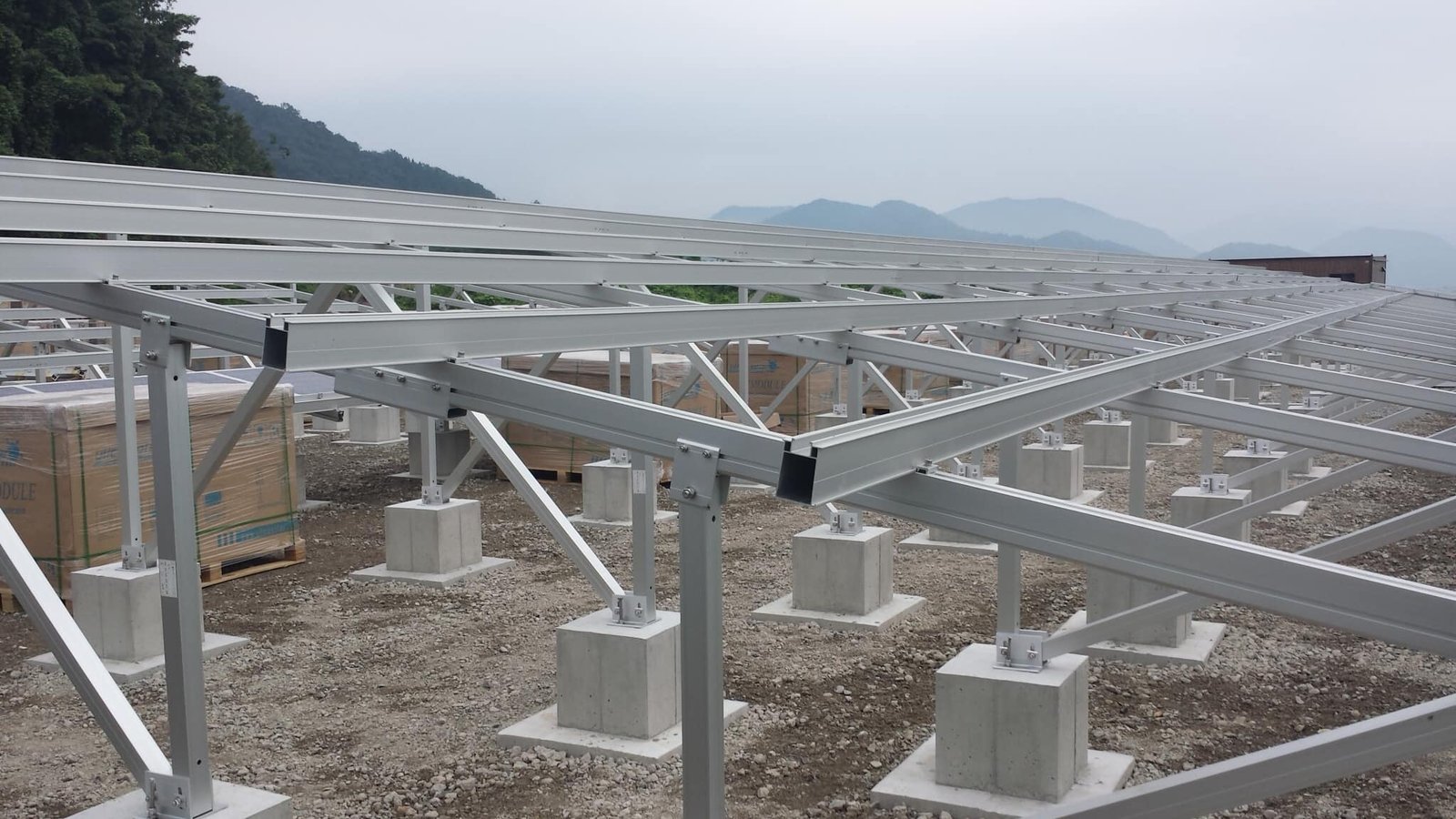
Mounting System Installation
Before panels are installed, solar mounting systems must be set up. These structures support the panels and vary by location:
- On the ground → leveling may be needed.
- On rooftops → anchors and waterproofing are required.
💡 Check out our 地上設置型ソーラーシステム for industrial applications.
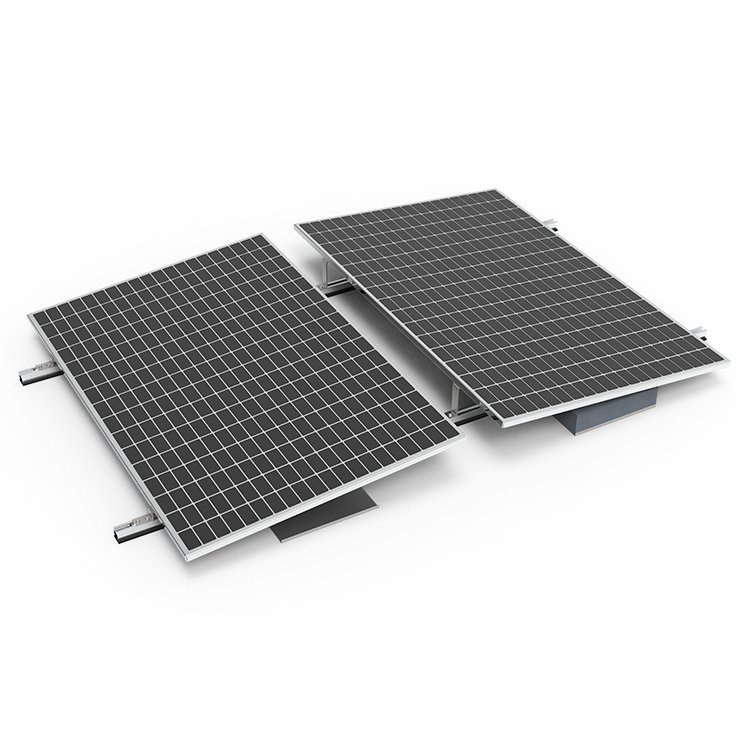
Panel Mounting
Panels are securely fixed to the mounting structure and wired into the power system. Products like アルミニウム地中埋込型 - ねじ杭基礎 offer corrosion resistance and easy installation.
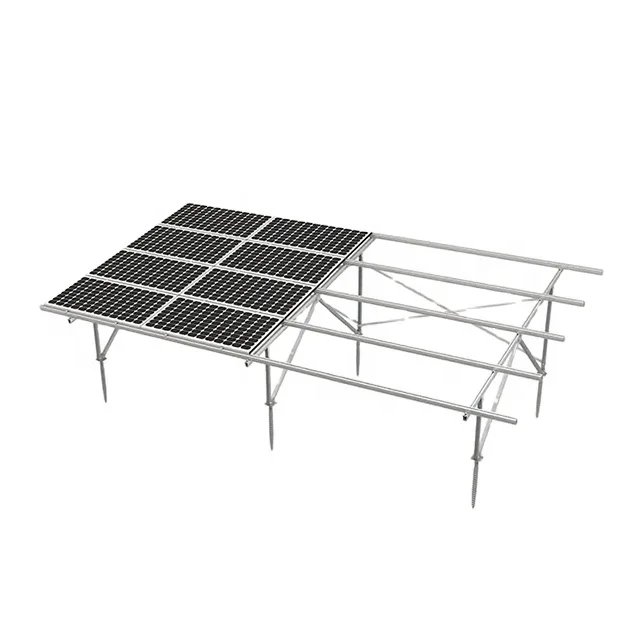
Types of Construction for Solar Installations
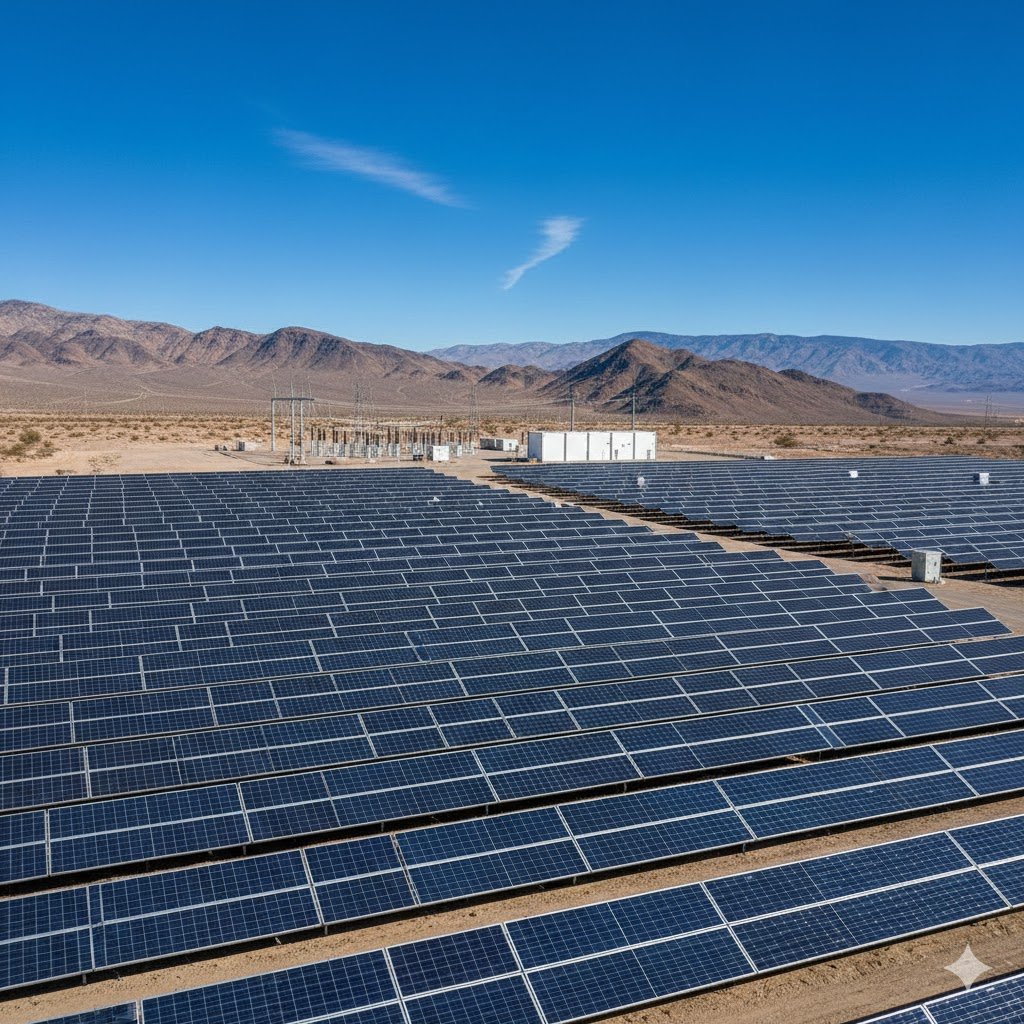
Industrial Solar System Construction
Typically used for large-scale solar farms, the two main foundation types are:
1. Concrete Foundation (布基礎 or ベタ基礎)
- Involves digging, steel reinforcement, and concrete pouring.
- Offers strong structural support.
- See our Concrete Block Foundation System for more details.
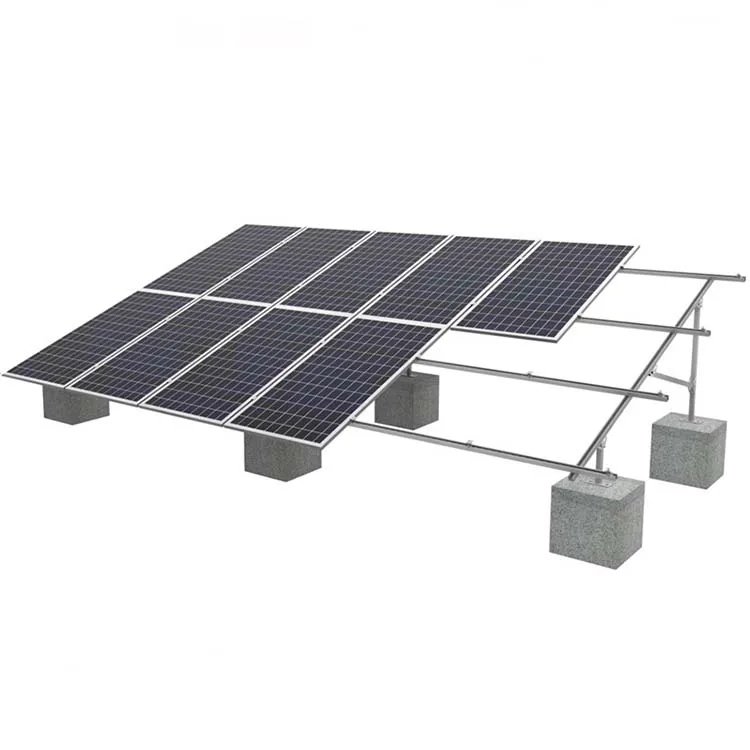
2. Screw Pile Foundation (スクリュー杭工法)
- Steel piles are screwed into the ground.
- Fast to install, cost-effective.
- Common in modern industrial PV projects.
- Explore our C–Steel Screw Pile Mount System.
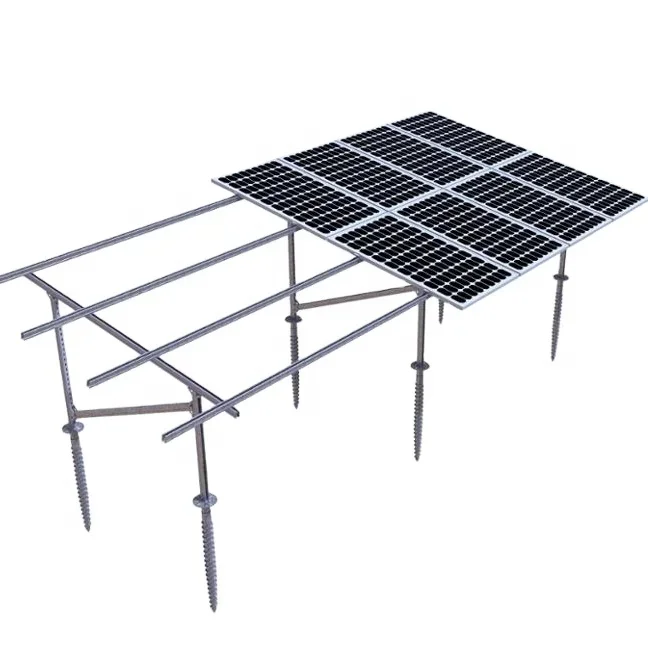
🔍 Related: ソーラー地ネジメーカー
Residential Solar Installation Work
Roof-based systems dominate residential settings. The process includes:
- Layout marking (墨出し)
- Drilling anchor points and waterproofing
- Installing mounting brackets suitable for roof material
- Fixing panels and wiring connectors
- Indoor electrical wiring and inverter setup
🏠 For residential roofs, see:
結論
Installing a solar power system involves both mechanical and electrical work, and varies significantly between residential and industrial setups. Each component—from mounting frames to inverters—plays a critical role in system efficiency and safety. Always choose a reliable installation provider and select quality materials for long-term performance.


 English
 Korean
 Japanese
 German
 French
 Greek
Greek Arabic
 Russian
 Thai
Thai Vietnamese
 Italian
 Spanish
 Portuguese
 Dutch
Dutch Bengali
 Croatian
 Czech
Czech Danish
 Hungarian
 Malay
Malay Persian
 Polish
 Romanian
 Serbian
 Swedish
 Afrikaans
 Kazakh
 Uzbek
Uzbek