
-
2103 Room NO.322 Xinggang One Road, Haicang District, Xiamen Fujian, China

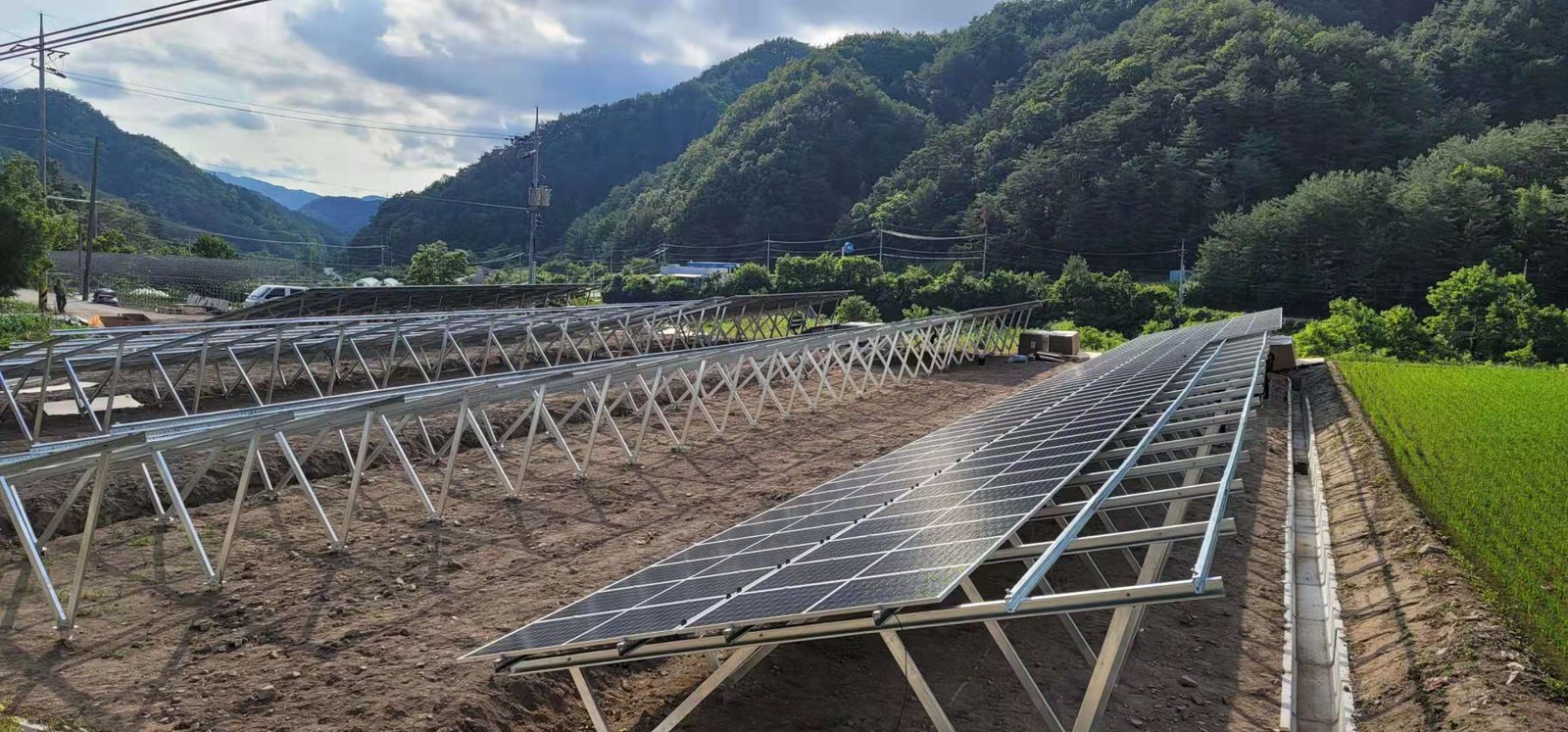
Zinc-Aluminum-Magnesium: The Core Application in the Photovoltaic Industry
China’s Behind-the-Scenes Global Leadership in Solar Power
China’s photovoltaic (PV) industry has rapidly reduced costs and enhanced global competitiveness, with the large-scale application of zinc-aluminum-magnesium (Zn-Al-Mg) materials playing an indispensable role in key components. From ground-mounted solar power stations to distributed rooftop systems, from deserts to fishponds, Zn-Al-Mg materials provide exceptional adaptability and durability, supporting China’s global strategy in the solar industry.
Table of Contents
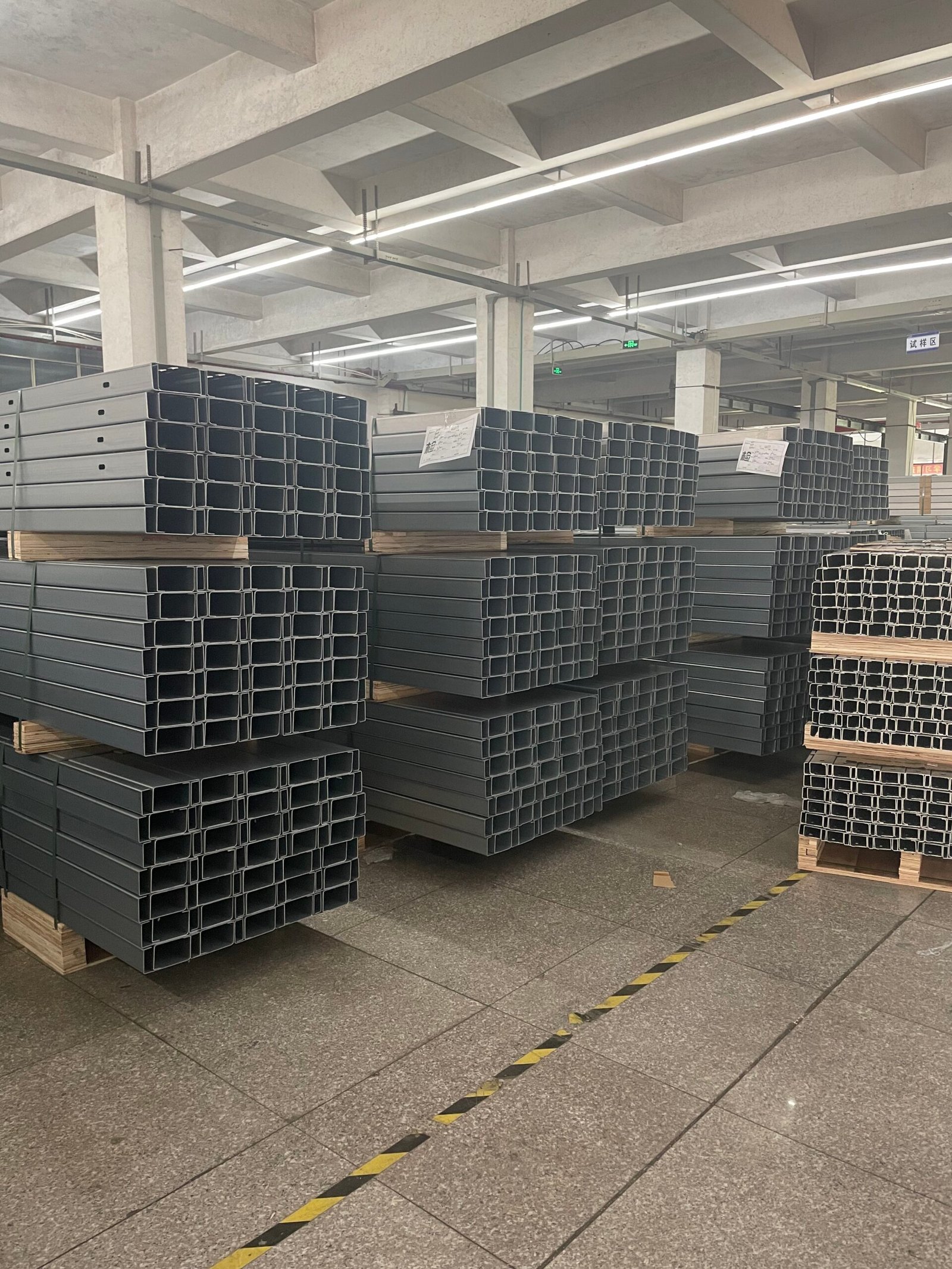
01: Revolutionary Breakthroughs in Solar Mounting Systems
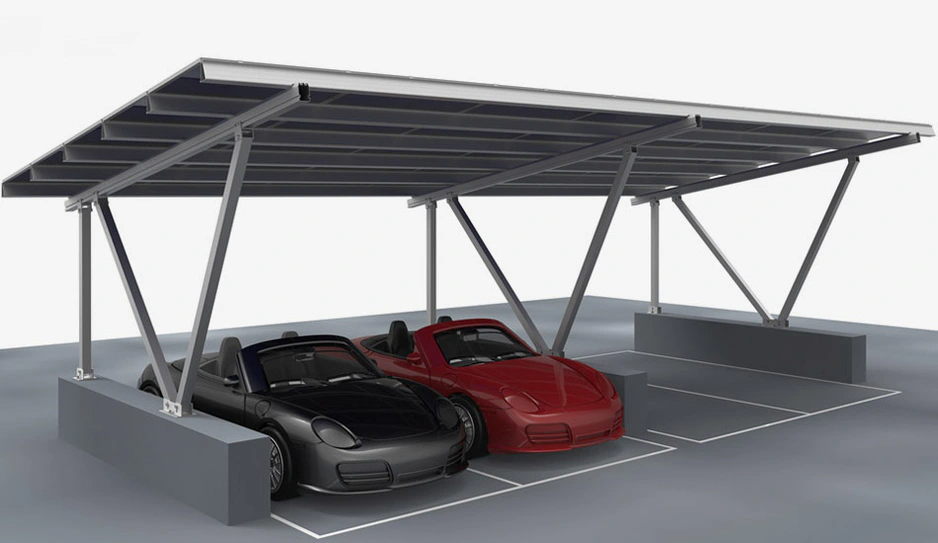
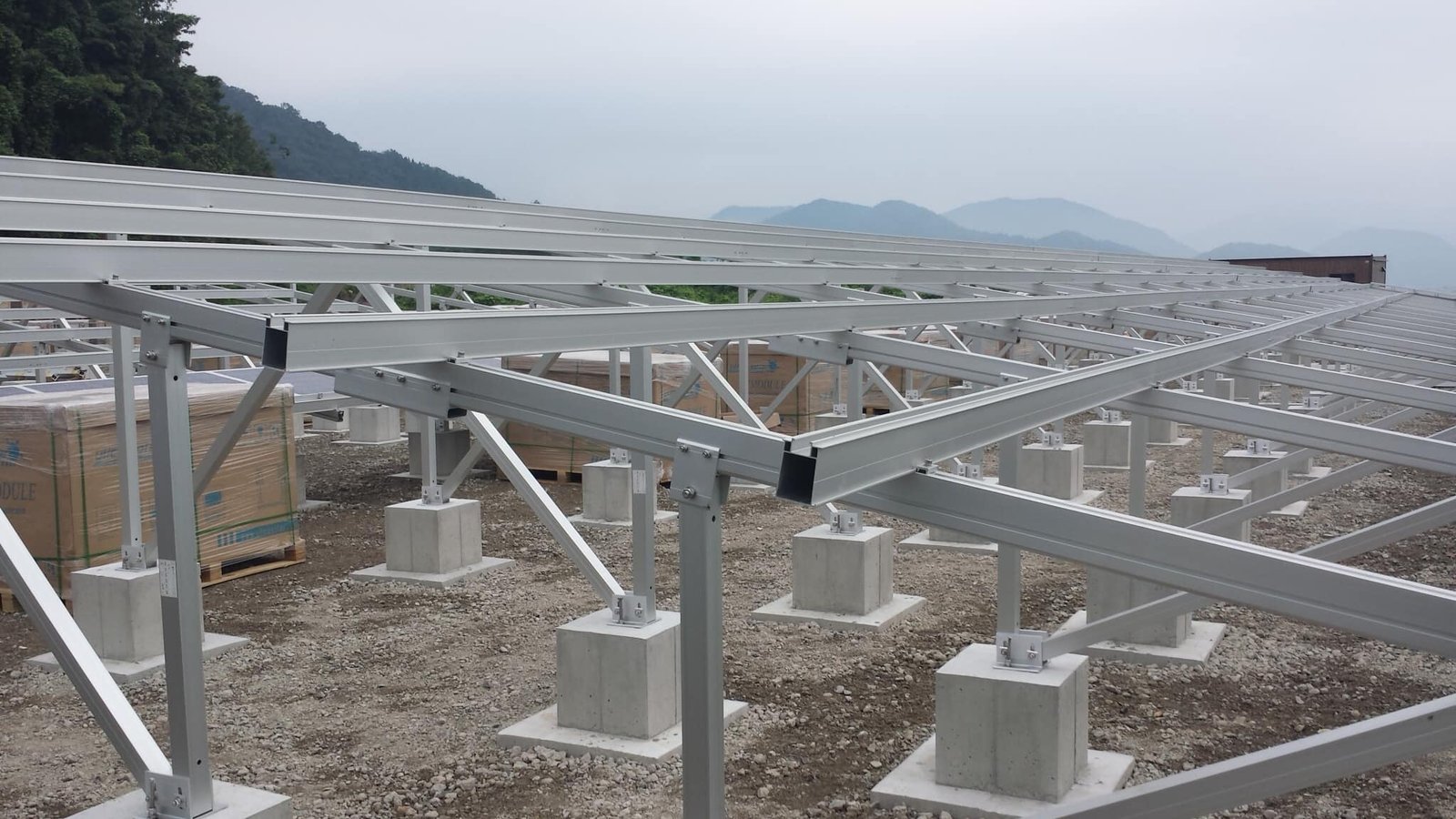
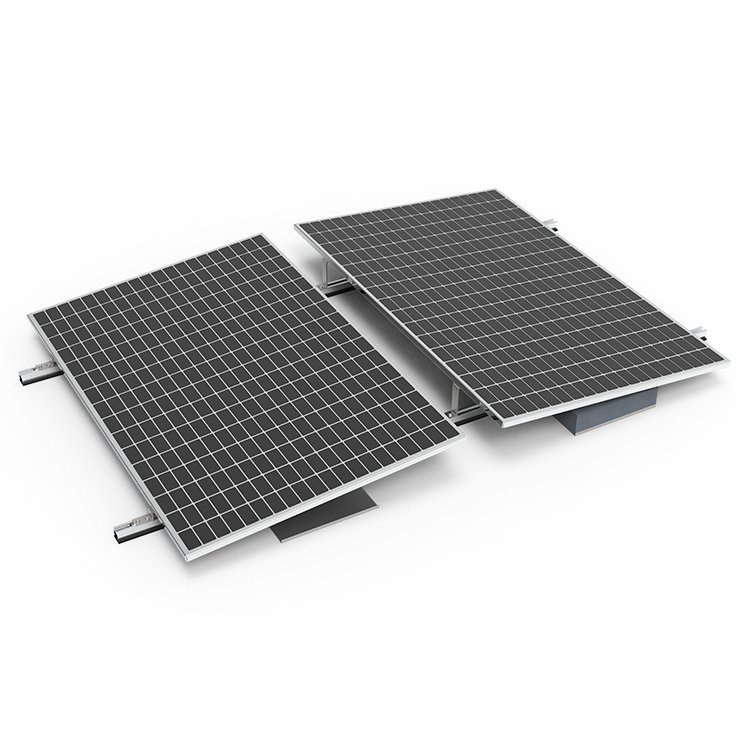
Solar mounting systems are the “skeleton” of photovoltaic power plants, and their performance directly affects the lifespan and stability of the entire power station. Traditional galvanized steel mounts often show signs of rust after 10–15 years in corrosive environments, but those made from zinc-aluminum-magnesium materials have a lifespan of 25–30 years, perfectly matching the lifespan of photovoltaic panels and solving the problem of replacement during the plant’s lifecycle.
Multi-Environment Adaptability
In China’s diverse geographical and climatic conditions, zinc-aluminum-magnesium mounting systems have proven their ability to adapt comprehensively:
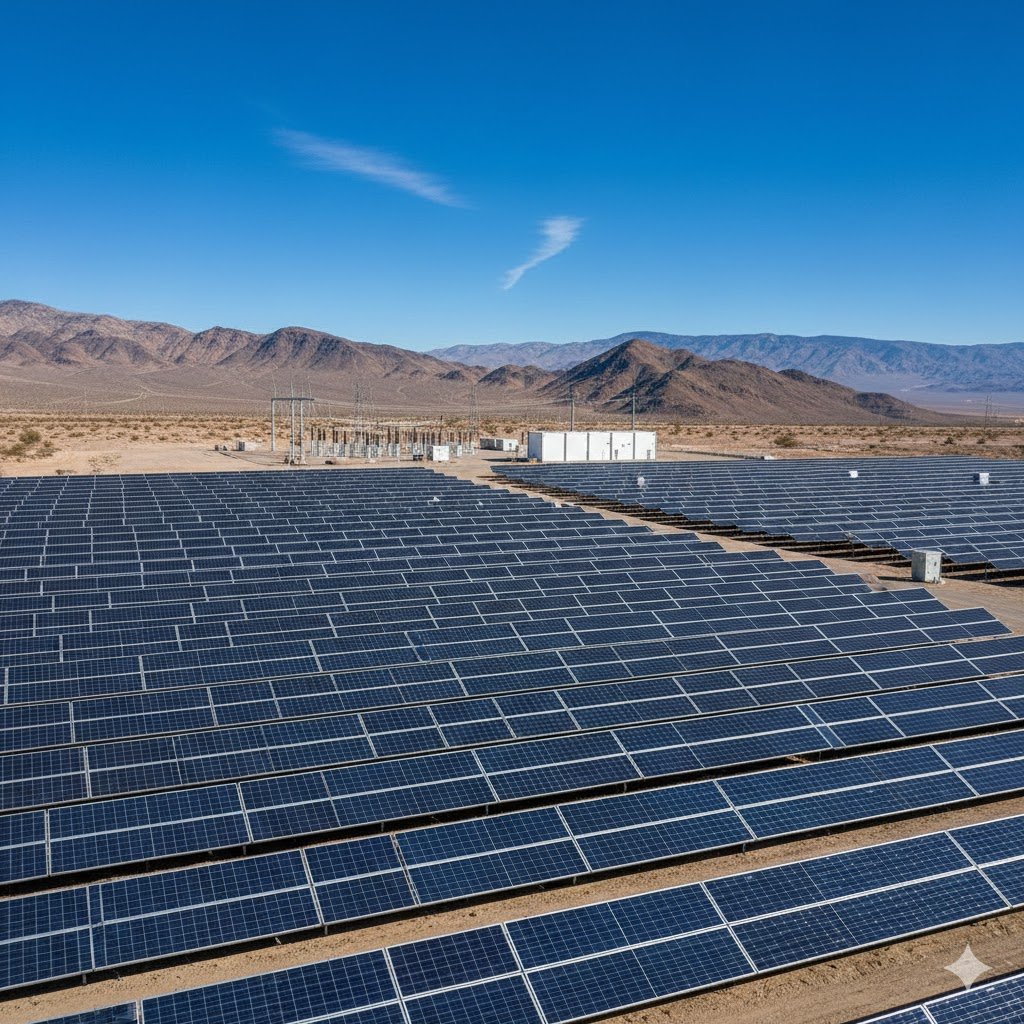
1. Desert Power Stations:
Located in the harsh, sandstorm-prone, and high UV environment of Shihezi, Xinjiang, the 1 million kW solar base utilizes Jin Steel’s Zn-Al-Mg mounting systems. These materials resist wear and sand erosion, ensuring stable operation in extreme conditions. The project’s annual power generation can meet the electricity needs of millions of households.
2. Floating Solar Power:
In the 200 MW fishing-solar complementary project in Xiaomao Town, Shaoguan, Guangdong, the mounting systems are exposed to high humidity and corrosive environments from water vapor. The self-repairing characteristics and moisture resistance of Zn-Al-Mg materials play a key role, enabling an eco-friendly economic model of “power generation on top, fish farming below,” with an annual power generation of over 200 million kWh and a significant reduction in CO2 emissions.
3. Coastal Power Stations:
In coastal regions with high salt mist concentration, ordinary metal components corrode rapidly. Zinc-aluminum-magnesium’s excellent salt mist resistance makes it the preferred choice for coastal photovoltaic projects. Many large-scale power stations along China’s southeast coast have adopted this material, significantly reducing maintenance costs due to corrosion.
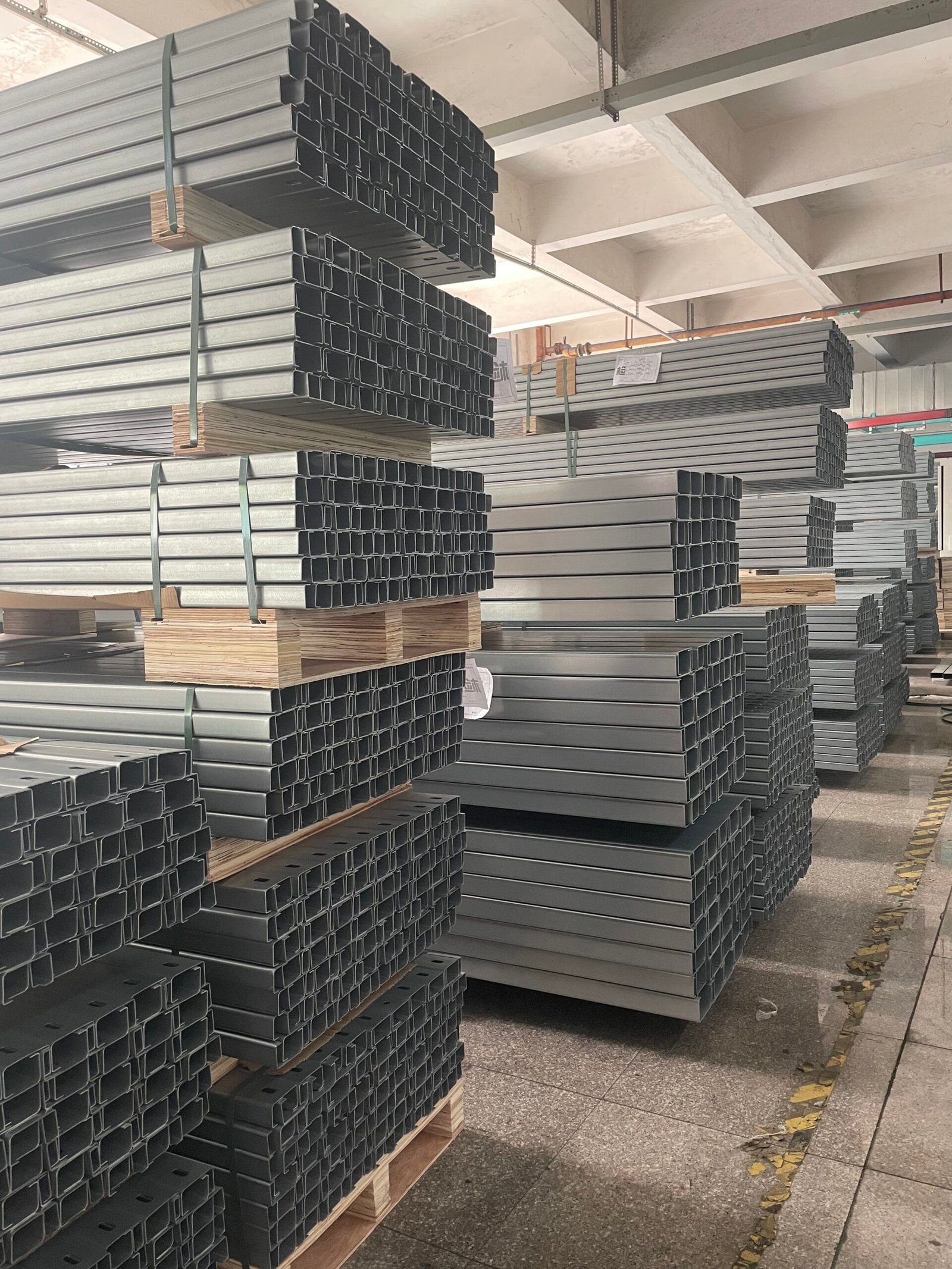
02: Specialized Solutions for Photovoltaic Cable Trays
Although photovoltaic cable trays are auxiliary components, they are crucial for the electrical safety of the entire power station. Zinc-aluminum-magnesium photovoltaic cable trays are designed specifically for solar systems, offering innovative solutions to common issues faced by traditional trays in outdoor power stations.
Key Design Features:
- Heat Dissipation Optimization: Open or stepped designs facilitate cable heat dissipation, reducing power loss in high-temperature environments.
- Reflection Control: A low-reflection surface treatment prevents light reflection that could affect photovoltaic panel efficiency.
- Drainage Design: Strategically placed drainage holes prevent water accumulation and corrosion.
- Structural Innovation: The integrated bending process reduces welding points, preventing damage to the coating and ensuring long-term corrosion resistance.
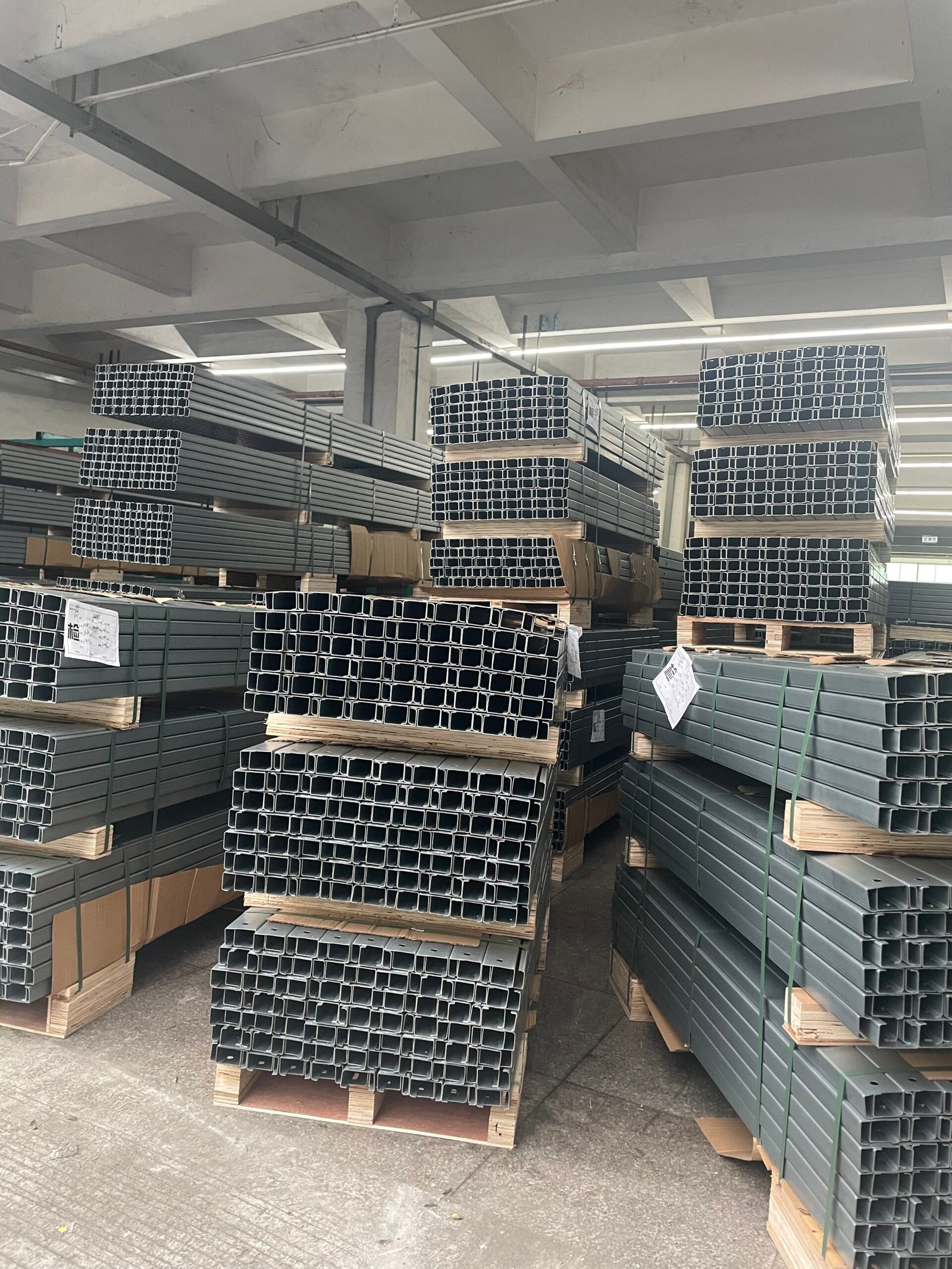
03: Promoting the Globalization of the Photovoltaic Industry
As Chinese photovoltaic companies expand globally, they face harsh challenges posed by different climatic conditions. Zinc-aluminum-magnesium materials offer adaptable solutions for solar systems worldwide, becoming an integral part of China’s photovoltaic equipment’s international competitiveness.
Global Adaptability
- Tropical Regions: In Southeast Asia’s high-temperature, high-humidity environment, Zn-Al-Mg materials resist mold and moisture corrosion.
- Cold Regions: In Northern Europe’s low-temperature environment, the materials maintain excellent toughness, preventing cold brittleness.
- Desert Regions: Middle Eastern power stations are protected from extreme temperature fluctuations and sand erosion by Zn-Al-Mg materials.
This global adaptability enables Chinese PV system integrators to provide standardized high-quality solutions, simplifying design, procurement, and production processes, and creating economies of scale. According to industry statistics, by 2024, over 60% of the global photovoltaic mounting systems market will use zinc-aluminum-magnesium materials, with Chinese suppliers accounting for more than 70% of the share.


 English
 Korean
 Japanese
 German
 French
 Greek
Greek Arabic
 Russian
 Thai
Thai Vietnamese
 Italian
 Spanish
 Portuguese
 Dutch
Dutch Bengali
 Croatian
 Czech
Czech Danish
 Hungarian
 Malay
Malay Persian
 Polish
 Romanian
 Serbian
 Swedish
 Afrikaans
 Kazakh
 Uzbek
Uzbek